According to the 2019 European Health Interview Survey (EHIS), nearly 47% of older adults in the EU with severe limitations in personal care or household tasks reported not receiving the support they need.
Everyday activities that may seem simple to most—such as getting in and out of a chair (17.2%) or bathing and showering (16.5%)—pose significant challenges for many elderly individuals. These struggles aren’t just physical; they can lead to emotional distress, social isolation, and a decline in overall well-being.
These statistics underscore an urgent reality: Europe’s long-term care systems are under strain, and many older citizens are falling through the cracks. This is where Eldicare 2.0 steps in. The project is designed to directly address the most critical gaps in elderly care, especially those related to workforce development, training, and upskilling.
By focusing on both technical competencies and soft/digital skills, Eldicare 2.0 empowers caregivers to deliver higher-quality, person-centered care. Through innovative training methods and collaborative partnerships, the project aims to build a more resilient, responsive, and dignified long-term care system for Europe’s aging population.
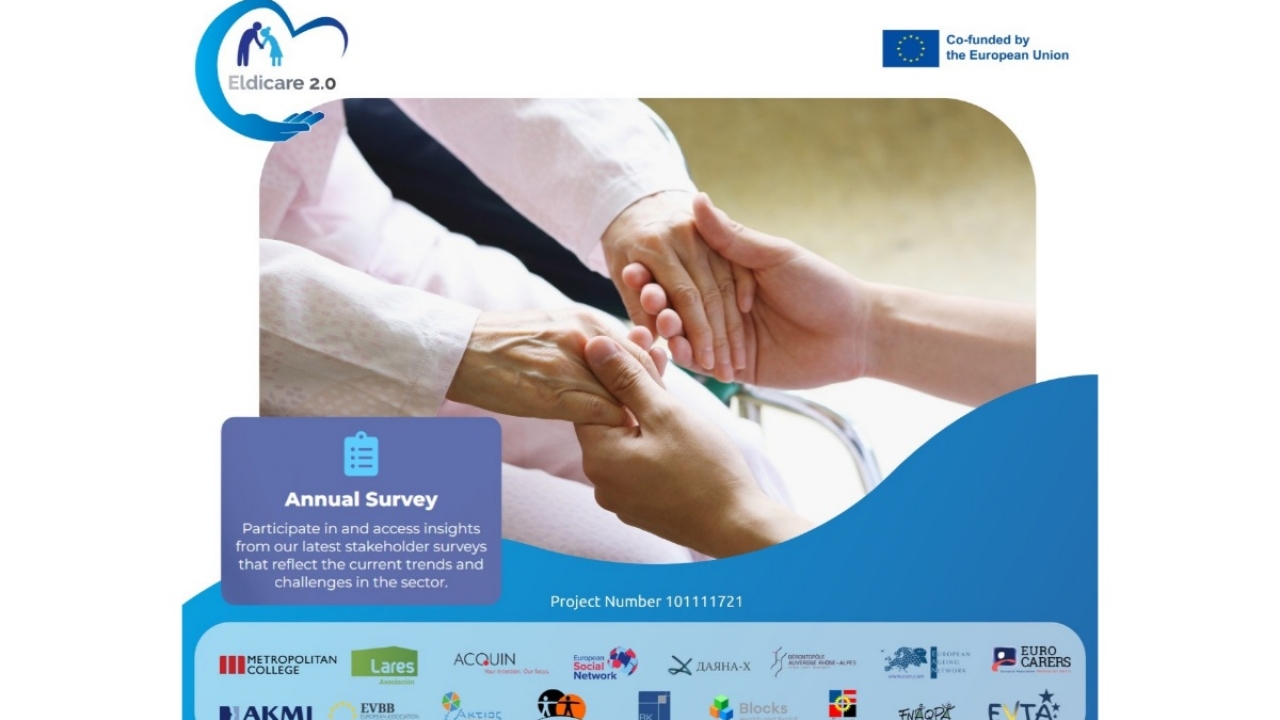
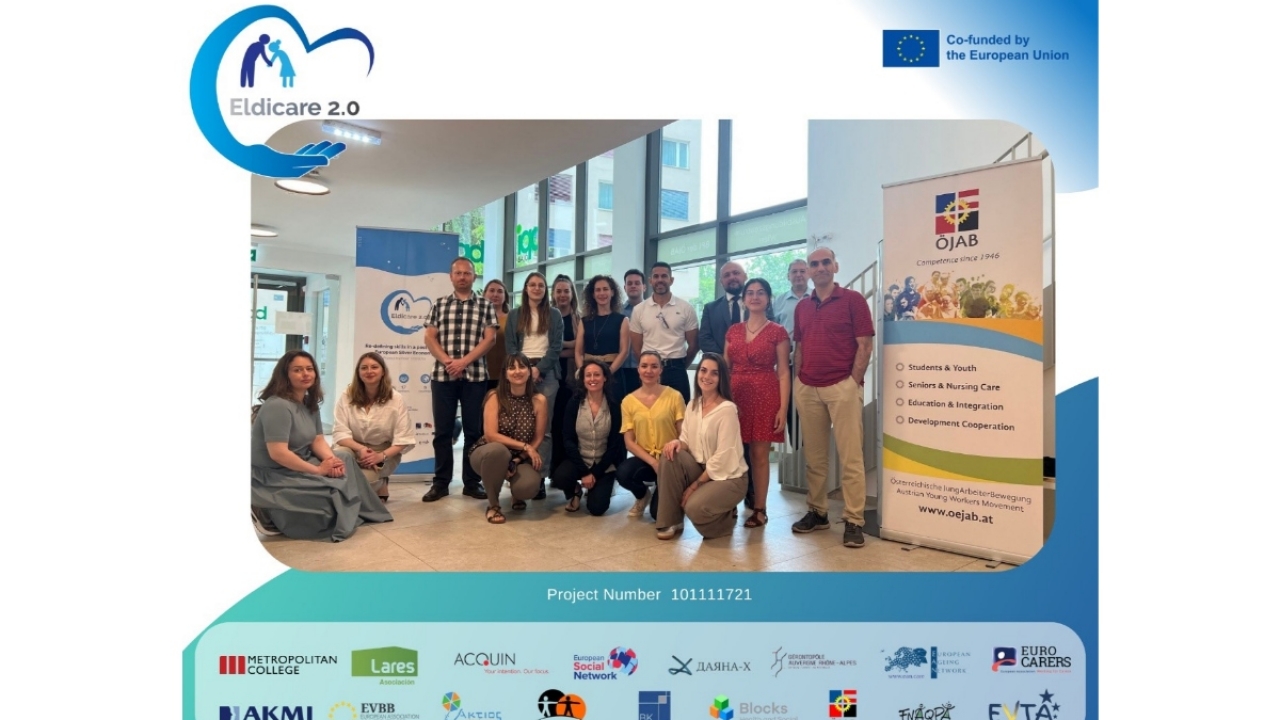
The Eldicare 2.0 consortium brings together 17 organisations from 9 countries, each contributing unique expertise to improve elderly care. Among them, Metropolitan College stands out for its leadership in curriculum design and the adaptation of caregiver training programmes to meet evolving care needs.
As life expectancy rises, ensuring access to skilled caregivers and supportive services is not just a policy priority, it’s a moral imperative. With Eldicare 2.0, we are working to build a future where no older person is left without the care and respect they deserve.
Learn more about Eldicare 2.0 at: eldicare2-0.eu
Project number: 101111721
Funded by the European Union. Views and opinions expressed are however those of the author(s) only and do not necessarily reflect those of the European Union or the European Education and Culture Executive Agency (EACEA). Neither the European Union nor EACEA can be held responsible for them.